

How to Verify the Authenticity of ISO9001 and Other Quality Certifications?
ISO9001 and other quality certifications are integral to ensuring trust and dependability when dealing with manufacturers, suppliers, or service providers. But how can you ensure these certifications are authentic? In this post, we’ll guide you through several methods to verify quality certificates quickly and accurately.
Why Verify Quality Certifications?
Quality certifications like ISO9001 are often used as indicators of reliability and compliance with industry standards. A company with valid certifications demonstrates a commitment to quality management processes. However, due to the prevalence of counterfeit or misrepresented certifications, verifying their authenticity has become an essential step for businesses.
Steps to Verify ISO9001 and Quality Certifications
1. Check Certification Details
Start by reviewing the document provided. Certifications should include a valid certificate number, issuing authority, and the company name. If these details are unclear or incomplete, it’s a red flag.
2. Verify with the Issuing Authority
All ISO certifications are issued by accredited bodies. To confirm authenticity, contact the certification or accreditation body directly. Many of them maintain online databases where certifications can be verified.
3. Look for Accreditation Logos
Accredited certification bodies often include their official logo on certificates. These logos can further validate the certificate’s authenticity. Ensure the accreditation body is recognized by international standards organizations, such as the International Accreditation Forum (IAF).
4. Validate Using the Supplier Website
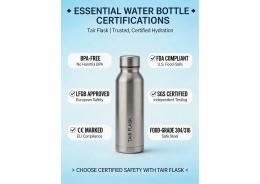
Most credible businesses display their certifications on their website. For instance, Tair Flask showcases its certifications prominently. Confirm whether the certificate details match those published online.
5. Request Supporting Documents or Audits
When in doubt, request supplementary documents or audit findings that led to the granting of the certification. Companies with legitimate certifications are usually open to transparency.
6. Watch for Expired Certifications
ISO certifications need regular updates and inspections to maintain validity. Ensure the certificates presented are current and not expired.
Conclusion
Verifying the authenticity of ISO9001 and other quality certifications is critical to ensuring trust in suppliers and their products. By meticulously examining details, contacting accreditation bodies, and cross-checking supplier references like their official webpage, you can safeguard your business against counterfeit claims and ensure compliance with international standards.
For more information, visit Tair Flask, a trusted supplier known for consistent compliance with ISO standards.

 English
 German
 French
 Russian
 Spanish
 Japanese
 Korean
 Portuguese
 Ukrainian
 Arabic
 Italian


